
PCI DSS Compliance Archives - RedSeal

Tag Archive for: PCI DSS Compliance

Cybersecurity Awareness Month Spotlight: How Regulatory Compliance Strengthens Cyber Resilience

As we recognize Cybersecurity Awareness Month, it’s clear that real protection requires more than awareness alone; it demands modeling, analysis, and accountability. The evolving threat landscape has made regulatory compliance far more than a checkbox exercise. Today, it’s a strategic pillar of operational resilience, helping organizations anticipate risk, validate controls, and prove they’re doing the right things to protect their digital environments. 

Whether it’s NIST, HIPAA, PCI DSS, or new state-level mandates, aligning cybersecurity practices with regulatory frameworks is no longer optional, it’s how resilient organizations maintain trust and continuity in the face of constant change. 

Why Compliance is more than just a mandate 

Compliance frameworks do more than define minimum security standards, they establish a structure for accountability. They guide how organizations protect sensitive data, monitor their environments, and recover from incidents. In doing so, they elevate security from reactive to proactive resilience. 

During Cybersecurity Awareness Month, it’s worth remembering that compliance isn’t about paperwork — it’s about visibility and progress. Frameworks like NIST and ISO provide a common language that transforms awareness into measurable, repeatable action. Studies consistently show that organizations with mature compliance programs reduce both the likelihood and impact of cyber incidents while minimizing legal and reputational exposure. 

The Challenge: You can’t protect what you can’t see 

True cybersecurity awareness starts with visibility. You can’t understand risk—or prove compliance—if you don’t know what’s on your network, how it’s connected, or where it’s vulnerable. 

Most organizations now operate sprawling hybrid environments, where assets, configurations, and policies are often fragmented or undocumented. This lack of clarity makes it nearly impossible to validate compliance or detect policy violations before an auditor—or an attacker—finds them. As the saying goes: you can’t protect what you can’t see. 

RedSeal’s role in Continuous Compliance and Visibility 

Awareness without action isn’t enough. That’s where RedSeal bridges the gap by modeling your entire digital estate, analyzing how your controls actually perform, and continuously validating compliance posture across every environment. 

  • Continuous Monitoring: RedSeal models your entire digital environment, saving hours of manual effort and providing a defensible audit trail for regulators. (NIST – Information Security Continuous Monitoring) 
  • Policy and Control Validation: RedSeal identifies misconfigurations and policy gaps before they become violations. From excessive access and shadow IT to unmonitored external connections, RedSeal surfaces what would otherwise stay hidden. 
  • Visibility That Drives Action: With a visual map of every network path and access point, RedSeal prioritizes remediation based on real exposure helping teams focus resources where risk is greatest. That insight proves that controls exist, function, and can stand up to scrutiny. (SANS Institute) 

When everyone can “see themselves in cyber,” visibility becomes not just a compliance advantage but a cultural one. 

Making Compliance Practical 

Meeting regulatory obligations doesn’t have to be a cycle of manual audits and reactive fixes. Organizations that embed compliance into daily operations through modeling, continuous analysis, and accountability, move from firefighting to proactive security. 

During Cybersecurity Awareness Month, and every month, building visibility into your security program helps teams stay ahead of both auditors and adversaries, turning compliance from a burden into a catalyst for improvement. 

Cyber resilience begins with awareness of our risks, assets, and responsibilities. When viewed strategically, regulatory compliance becomes an enabler of stronger cybersecurity. 

By leveraging tools like RedSeal to continuously model your environment, validate controls, and visualize real-world exposure, compliance becomes more than a requirement, it becomes an opportunity to reduce risk, optimize resources, and strengthen the trust that underpins every resilient organization. 

This Cybersecurity Awareness Month, take a closer look at your compliance posture. 

 See what’s really on your network—and how well your controls are working. Contact us today to learn how RedSeal can help give you proactive solutions to stay compliant across all aspects of your hybrid environment.

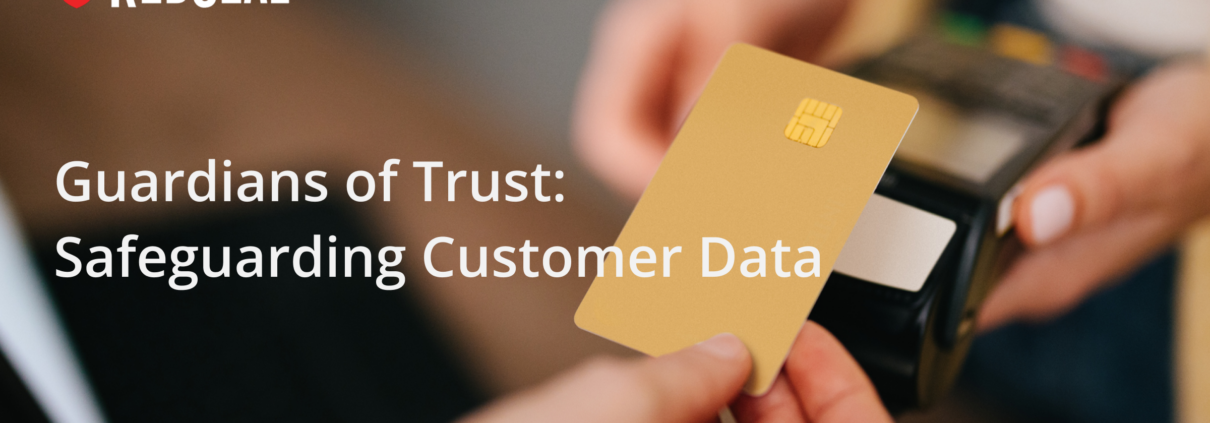
Guardians of Trust: Safeguarding Customer Data

As the year ends and holiday shopping hits an all-time high, the security of customer information is critical. With each item added to the cart, customers place their trust in stores, entrusting them with personal and financial details. Any breach of this trust can result in severe consequences for both the customers and the business. To ensure airtight security and to build lasting trust, retailers must implement robust measures to safeguard customer information.  

A few reminders as we head into holiday shopping:

Implement Secure Sockets Layer (SSL) Encryption

SSL encryption is the bedrock of secure online communication. Ensure that your website uses HTTPS, which encrypts the data transmitted between the user’s browser and your server. This prevents hackers from intercepting sensitive information during transmission. 

Regularly Update Software and Systems and Back Up Customer Data 

Outdated software is a vulnerable target for cyber threats. Regularly update your website’s content management system, plugins, and any other software to patch potential security vulnerabilities.  

In the event of a security breach or data loss, having up-to-date backups is crucial. Regularly back up customer data and ensure that the backup system itself is secure. 

Use Strong Authentication Measures 

Enforce strong password policies for both staff and customers. Require the use of complex passwords and consider implementing two-factor authentication (2FA) to add an extra layer of security. According to the National Cyber Security Centre, 23.2 million breach victim accounts used 123456 as their password – making it the most commonly used password worldwide.  

Payment Card Industry Data Security Standard (PCI DSS) Compliance 

If your online store processes credit card transactions, adhere to PCI DSS standards. This includes secure card storage, regular system scans, and compliance with the Payment Card Industry’s stringent security requirements. 

Employee Training on Security Best Practices

Human error is a common factor in security breaches. Researchers from Stanford University found that approximately 88 percent of all data breaches are caused by an employee mistake. Train your staff on security best practices, such as recognizing phishing attempts and the importance of data protection.  

According to a follow up survey from Stanford, the percentage of employees who admit to falling for phishing scams at work decreases with age, and younger employees are 5x more likely to click on phishing emails than older employees. The survey found however, older respondents were more susceptible to smishing attacks (SMS phishing), compared to the younger employees.

Have you ever received a text from your company CEO asking you to purchase gift cards? Don’t fall for it. Your executive leaders will never send such a request, especially via text.  

Creating a security-conscious culture among employees across each generation is crucial. 

Regular Security Audits and Penetration Testing 

Conduct regular security audits and penetration tests to identify and address potential vulnerabilities in your systems. This proactive approach helps you stay ahead of potential threats and ensure continuous improvement in your security measures. 

Monitor for Suspicious Activities 

Implement real-time monitoring tools to detect and respond to suspicious activities. Unusual patterns or multiple failed login attempts could be indicators of a security threat. 

Incident Response Plan 

Develop a comprehensive incident response plan outlining the steps to be taken in the event of a security breach. This includes communication strategies, notifying affected parties, and working towards a swift resolution. 

As custodians of customer information, responsibility extends beyond checking the box on compliance requirements. Businesses must commit to fostering an environment where customers feel confident their information is secure. By implementing these robust security measures, online stores can fortify their defenses and protect the sensitive information entrusted to them by customers.  

At RedSeal, we’re committed to fortifying your digital infrastructure. We proactively help visualize your network, identify attack paths, prioritize risk, and help you stay in compliance to ensure your business and customers stay secure.

Reach out to RedSeal or schedule a demo today.